If your sprinkler system turns on every morning like clockwork but your lawn still looks patchy and brown, the system itself isn't the problem. Your grass is dying because water isn't reaching the soil the right way, or the timing is completely wrong for what Spring's heat and humidity demand. Most homeowners assume a running system means a working system. It doesn't. We see this constantly in the Spring area, and fixing it usually doesn't require ripping out your whole setup.
Uneven Water Distribution Is the Silent Killer
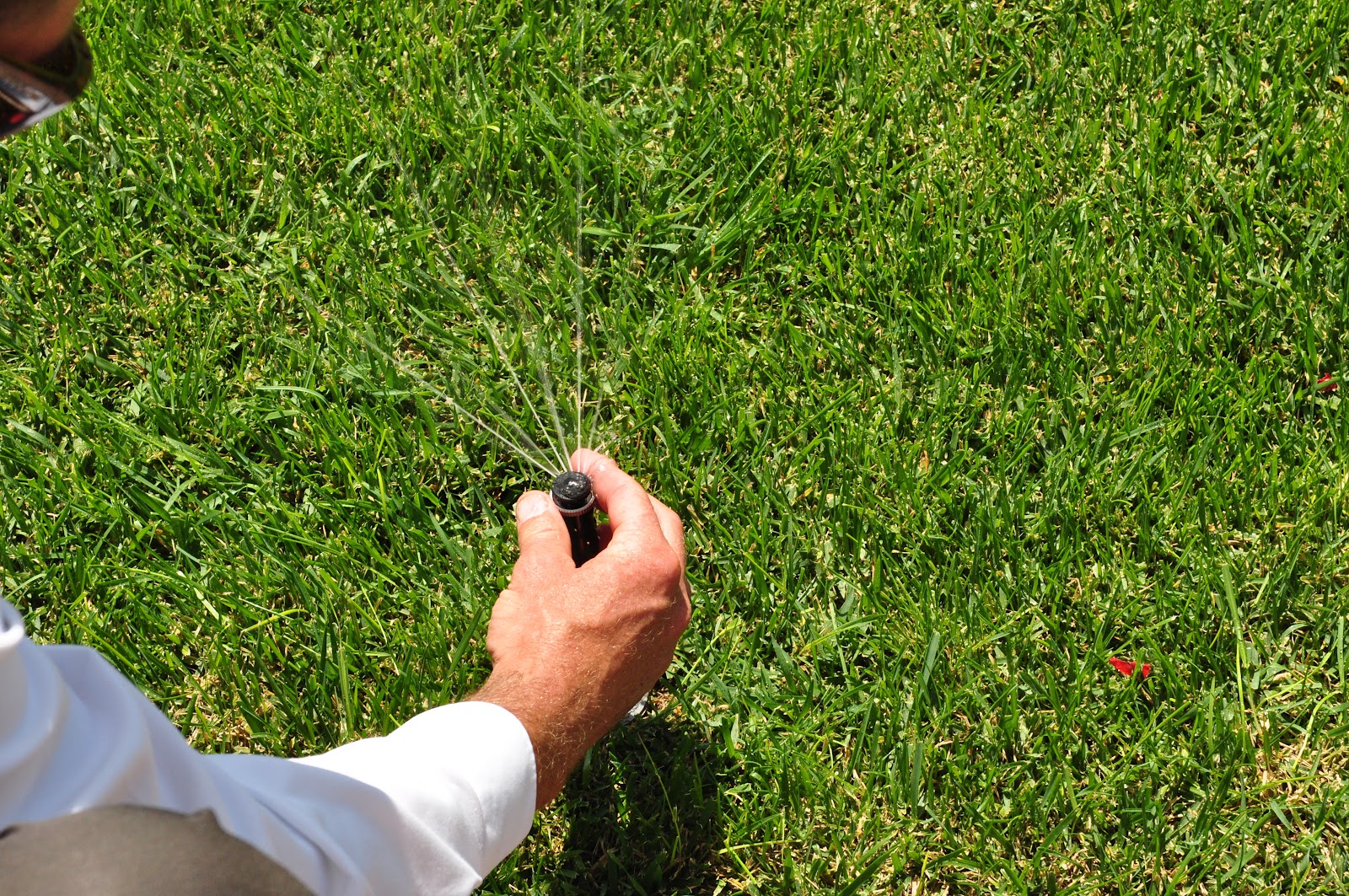
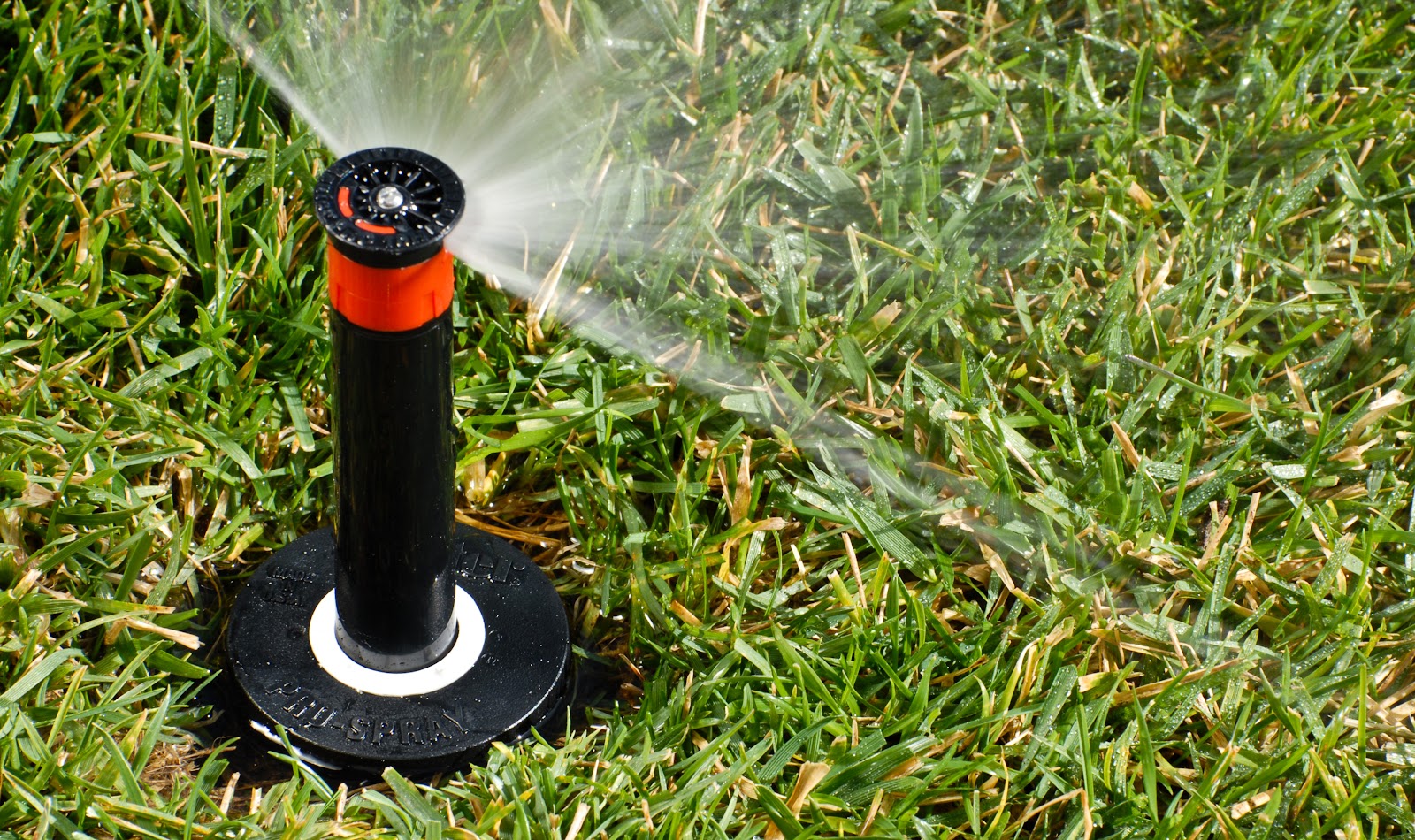
Your sprinkler heads might all be firing, but that doesn't mean water is landing where it needs to. Misaligned heads spray onto the driveway or sidewalk instead of the turf. Clogged nozzles create dead spots in the middle of the lawn. Low water pressure from a weak pump or undersized main line means the outer zones barely get a mist. The grass closest to the valve thrives while everything twenty feet out withers.
We check this by walking the zones during a cycle and actually watching where water lands. You can do the same thing. Set out a few straight-sided cups in different spots across your lawn and let the system run for fifteen minutes. If the cups fill unevenly, you've found your problem. A sprinkler technician can adjust head angles, replace worn nozzles, or identify pressure issues that a simple DIY fix won't solve.
Your Schedule Is Probably Wrong for Spring's Climate
Spring sits in a humid subtropical climate with afternoon thunderstorms half the year and brutal heat the other half. Running your system on the same schedule year-round is almost guaranteed to fail. Summer lawns need deep watering early in the morning, maybe three times a week during dry spells, not daily light sprinkles. Daily watering actually encourages shallow root systems and fungal diseases that thrive in our humidity.
Winter and spring require even less. If your system is still running five days a week in January, you're wasting water and rotting the grass roots. The best schedule changes with the season and with rainfall. If it rained two inches last week, your system shouldn't run at all. Most homeowners set it once and forget it. That's why the grass dies even though the system runs.
Smart controllers can help here. They adjust based on local weather data, but even a basic timer programmed correctly beats a set-and-forget approach. Start with watering two to three times per week in summer, early morning between 5 and 7 a.m., and adjust down as the season cools.
Low Water Pressure Starves the Whole System
If your water pressure is below 40 PSI at the main valve, your sprinkler heads won't spray far enough to cover their zones effectively. This happens when the pump is undersized, the line from the well or meter is too small, or you have a leak somewhere underground that you can't see.
You can test pressure with a simple gauge from any hardware store. Screw it onto a hose bib near your main valve while the system is running. If the reading is below 40, or if it drops significantly when the system is fully on, something is restricting flow. A weak pump might need rebuilding or replacement. A small main line might need upsizing. A leak in the buried line needs locating and repair.
This isn't a quick fix, but it's essential. You can't get good coverage with poor pressure, no matter how many heads you have or how often you run them.
Soil Type and Drainage Affect How Water Stays in the Ground
Spring's soil is often clay-heavy, which means water either pools on the surface and runs off, or it drains so poorly that roots sit in soggy conditions. A sprinkler system delivers water, but it can't fix soil that won't hold it or drain it properly.
If you see water puddling while the system runs, your soil needs amending. If the grass stays soggy for hours after watering, drainage is the issue. Adding organic matter, aerating, or installing a drainage system might be necessary alongside sprinkler repairs. Some areas of Spring have better soil than others, so this varies by location.
When to Call a Professional
If you've checked your schedule, watched your coverage, and the lawn still suffers, call someone. A full system inspection catches pressure problems, leaks, clogged filters, and head misalignment that you won't find on your own. It costs far less than replacing a dead lawn or running an inefficient system for another year.
Smarter Sprinklers & Drain Systems serves the Spring area with system repairs, adjustments, and new installations that actually work for our climate. If your grass is dying while your system runs, reach out. We'll find out why and fix it.