Most homeowners in Spring, TX assume winterization is a once-and-done chore that happens right before Christmas, but the truth is more nuanced. Texas winters are unpredictable. You might get a mild December and then a hard freeze in January or February. The real question isn't just when to winterize, but how to read your local conditions and know whether you need to protect your system more than once. If you're running an irrigation system here in the Houston area, you're dealing with freeze cycles that can crack pipes, damage valves, and leave you with expensive repairs come spring. Understanding the timing takes some local knowledge, and that's what we'll walk through.
Winter Comes Late to Spring, But It Comes Hard
The first thing to understand is that Spring sits in a zone where winter isn't consistent. You're not in the panhandle dealing with steady cold from November through February. Instead, you get warm spells broken by sudden freezes. This means that winterizing too early can waste water and leave your system exposed if a freeze hits late. Most years, mid-December through early January is the safe window. But if you're watching the forecast and see a hard freeze predicted for late February, you should be ready to act again. The key is having your system winterized before any freeze event, not on a calendar date.
What Winterization Actually Does
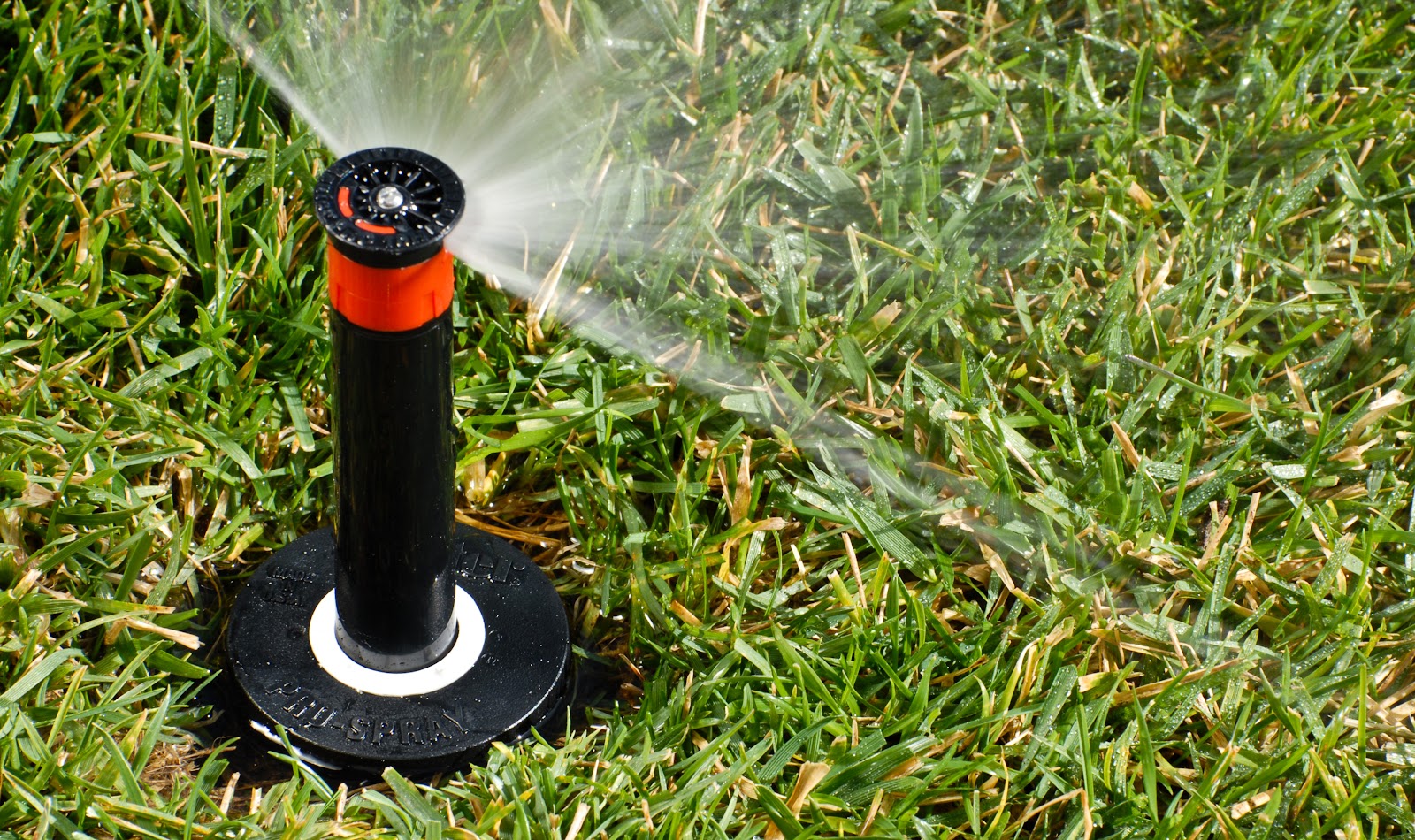
Winterization isn't just turning off the water. It's about removing water from the lines, valves, and sprinkler heads so that when temperatures drop below freezing, ice can't form inside the pipes and expand. That expansion is what cracks PVC, pops brass fittings, and ruins solenoid valves. A proper winterization job involves blowing compressed air through the entire system to push standing water out. Some systems also need the backflow preventer drained separately. If you skip this step or do it halfway, you're leaving your system vulnerable. One hard freeze can cost you thousands in spring repairs.
The Real Variables in Spring, Texas
Your specific winterization needs depend on a few things unique to your property. How deep are your irrigation lines buried? Lines that are only a few inches down freeze faster than those at 12 inches or deeper. What kind of soil do you have? Clay holds cold longer than sandy soil. Are you on a slope or in a low spot where water pools? Does your yard get full sun in winter or stay shaded? All of these factors affect how quickly your system reaches freezing temperature. If you've got shallow lines in a low spot with clay soil and shade, you might need winterization earlier and more thorough than someone with deep lines on a sunny slope. A professional can assess your specific setup and give you real guidance, not a one-size-fits-all answer.
One Winterization Isn't Always Enough
Here's where a lot of homeowners get caught off guard. If you winterize in December and then a warm spell hits in January, some of that water can seep back into the lines from the ground or from condensation. If another freeze follows, you've got water in there again. In Spring, where we've had years with multiple freeze events separated by weeks, a second winterization in late January or early February isn't overkill. It's insurance. You don't need the full air-blow treatment every time, but a quick check and a top-up of compressed air through the system takes an hour and costs a fraction of replacing burst pipes. If you've got a smart controller on your system, you can also shut off watering cycles earlier in the season to reduce the amount of water sitting in the lines.
Protecting Your Backflow Preventer
The backflow preventer is often overlooked in winterization conversations, but it's critical in Texas. This device prevents contaminated water from flowing back into the city water supply. It has internal seals and check valves that can be damaged by ice. If your preventer isn't properly drained and protected, a freeze can render it inoperable. Some systems have a separate drain valve for the backflow preventer. Others need it blown out as part of the main winterization. Know which type you have. If you're not sure, that's a perfect reason to call a technician. A failed backflow preventer can shut down your entire system until it's replaced, and that's a code violation that can affect your homeowner's insurance.
Spring Startup Isn't Automatic
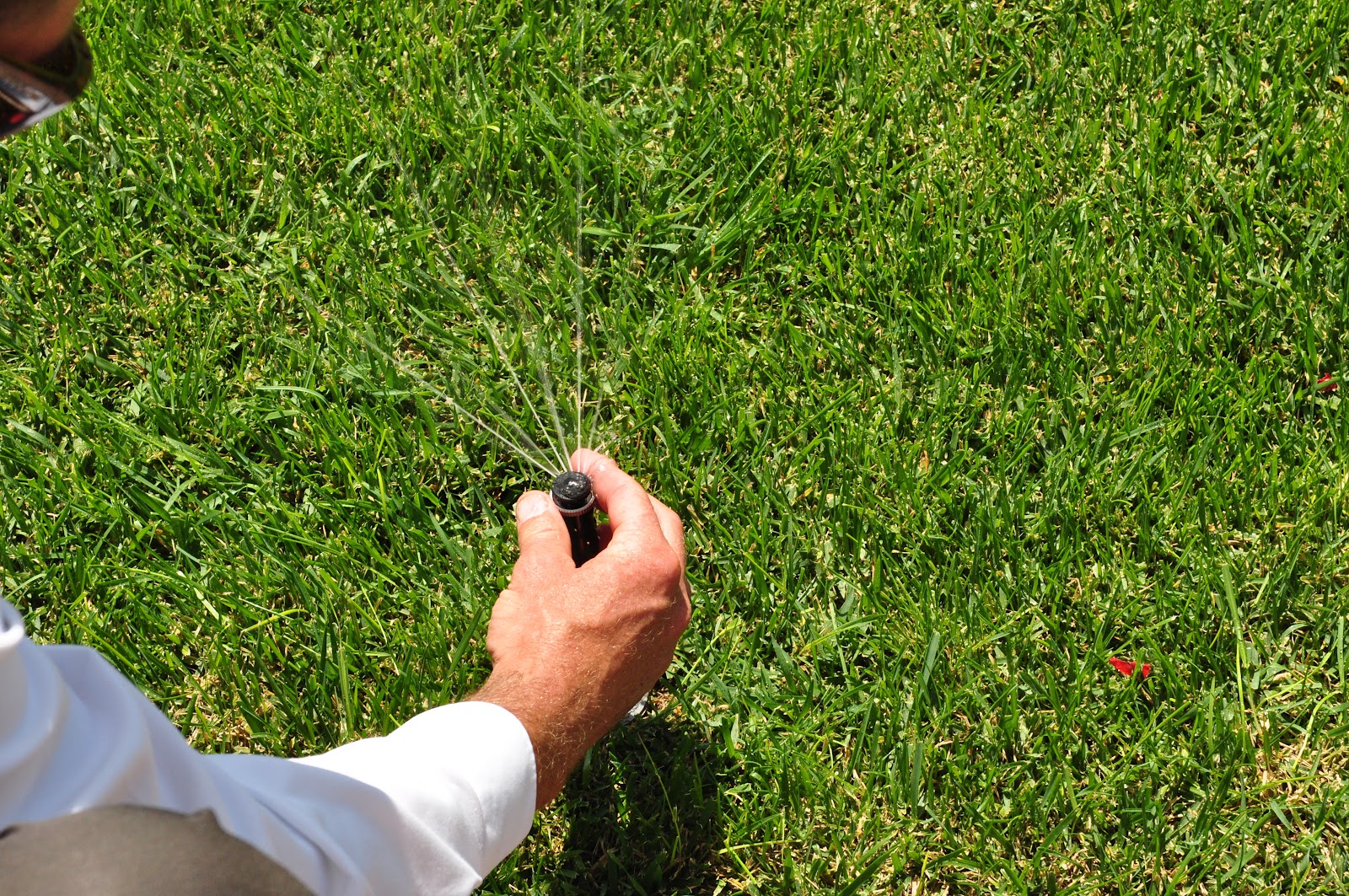
Once winter passes and you're ready to turn the system back on, don't just flip the controller and assume everything works. You need to check that all the air has been purged from the lines. Running the system with air pockets can damage the pump and create weak spray patterns. Inspect all the heads and valves for cracks or leaks. If you winterized properly and no freeze damage occurred, startup is simple. If something did freeze and crack, you'll want to catch it before the full watering season starts.
Call Smarter Sprinklers & Drain Systems in Spring, TX if you're uncertain about your winterization schedule or want a professional to assess your system's vulnerability. We can set up a winterization plan that matches your property and your history of freeze events in this area.