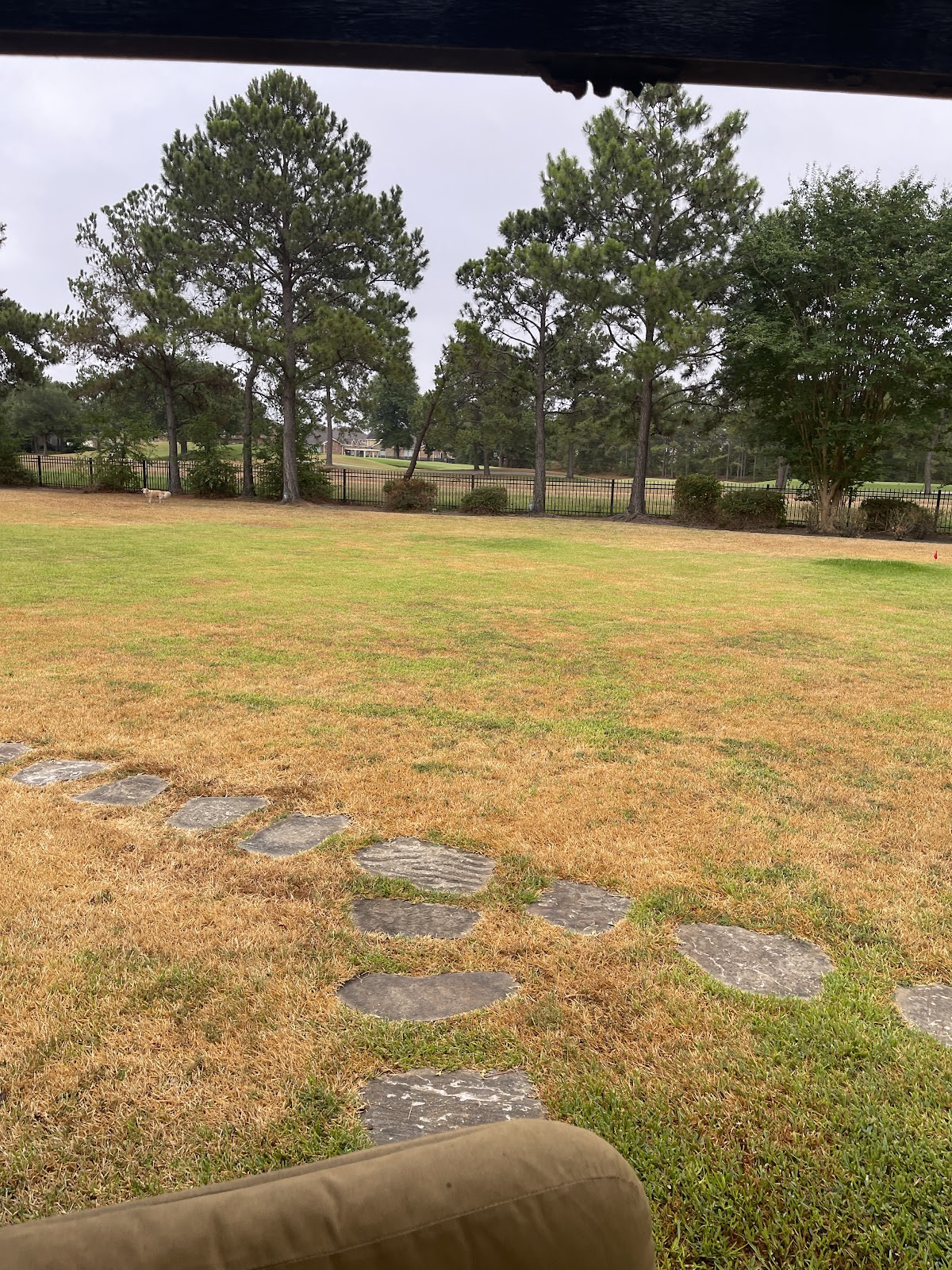
Most homeowners in Spring don't think about their irrigation controller until something goes wrong. You set it in fall, maybe tweak it once or twice, and hope for the best. But spring weather in Southeast Texas is unpredictable, and your controller settings from winter won't cut it anymore. Temperatures climb, rainfall patterns shift, and suddenly your lawn is either drowning or burning up. Getting your controller right in spring is the difference between a healthy lawn and wasting money on water you don't need. The good news is that adjusting it takes maybe fifteen minutes and a basic understanding of what your controller actually does.
Read Your Controller's Manual First
I know, nobody wants to do this. But your controller might be a Hunter, a Rainbird, a Toro, or something else entirely, and each one has different menus and buttons. Spring, TX gets its share of different systems, and I've seen plenty of people accidentally reset their entire schedule because they didn't know which button did what. Find the manual online if you lost the physical copy, or just look up your model number on the controller itself. Spend five minutes learning where the schedule button is, where the run time adjustment is, and how to move between zones. That's all you need.
Increase Your Run Times for Warmer Temperatures
In winter, your lawn and plants needed very little water. Now that we're heading into spring, the soil dries out faster because of heat and longer daylight hours. Your controller doesn't know the season changed unless you tell it. Look at your current run times for each zone. If you had your front lawn running for six minutes per cycle in January, you probably need eight to ten minutes now. Adjust one zone at a time so you can see what actually happens to that area over the next week or two. Spring weather swings wildly, so don't jump straight to summer settings. Gradual adjustments let you dial in exactly what your lawn needs without overshooting.
Adjust Your Watering Days Based on Spring Rain
Spring in Southeast Texas means afternoon thunderstorms are suddenly back in the forecast. If you're running your sprinklers on a fixed schedule three days a week, you might water your lawn right after a storm dumped an inch of rain on it. That's money wasted and a fast way to develop fungal issues in your turf. Most modern controllers let you skip a day or reduce run time based on rainfall. Some have built-in rain sensors that do this automatically. If you have a rain sensor, make sure it's clean and working. If you don't, consider the cost of one. A basic rain sensor from any irrigation supply store in Spring costs maybe thirty to fifty dollars and pays for itself in a month or two by cutting unnecessary watering. Without a sensor, you have to manually adjust your schedule when it rains, which most people forget to do.
Know the Difference Between Cycle and Soak
Cheaper controllers only let you set how long each zone runs. Better controllers let you set multiple start times per day with different run lengths. This matters in spring because soil in Southeast Texas can be clay-heavy, and clay doesn't absorb water quickly. If you run your sprinklers for twenty minutes straight, half that water runs off instead of soaking in. Instead, run for ten minutes, wait thirty minutes, then run for ten minutes again. Your soil has time to absorb the first watering before the second one starts. This is called cycle and soak, and it's especially useful if you have sloped areas or heavy clay. Check your controller's menu for "multiple start times" or "intervals." If your controller doesn't support this, it's worth upgrading to one that does.
Check Your Zones Individually
Don't assume all your zones need the same adjustment. Your front lawn in full sun needs more water than a shaded side yard. Your flower bed with fresh mulch holds moisture longer than your vegetable garden. Walk your property and actually watch your sprinklers run. See where water pools up, where it seems to dry out fast, and where coverage looks spotty. Then adjust each zone's run time to match what it actually needs. This is where most people get it wrong. They set everything to the same time and wonder why some areas look great and others look terrible.
Set a Reminder to Check Again in May
Spring weather changes fast. What works in early April might be wrong by late May. Set a phone reminder to walk your yard in a few weeks and see how things are looking. If the grass looks dry, add a minute or two. If you see puddles or soft spots, cut back. You're not trying to set it and forget it. You're managing it like you manage anything else in your yard.
Smarter Sprinklers & Drain Systems is here if you want help making these adjustments or if your controller needs repair. Call us and we'll get your system dialed in for spring.