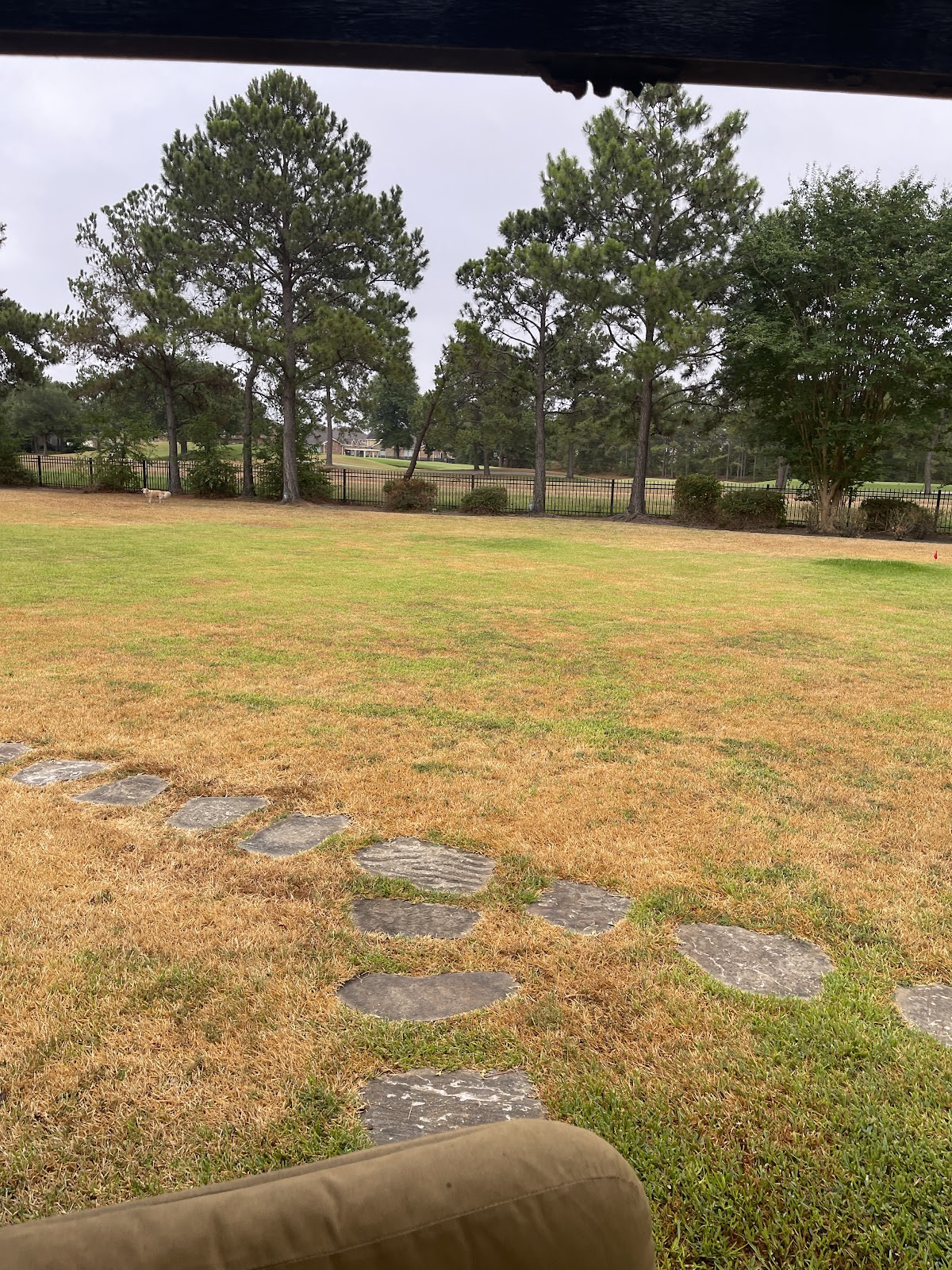
Low water pressure in your sprinkler system is one of the most common problems we see here in Spring, and it's usually fixable without replacing the whole setup. Your system might be running, but your grass isn't getting the water it needs to stay healthy. The pressure can drop for several reasons, and finding the right cause matters because the fix depends on what's actually wrong. We've dealt with hundreds of systems in the Spring area, and we know the local water conditions and soil types that make this problem show up more often than people expect.
Check Your Water Meter and Main Line First
Before you look at the sprinkler system itself, make sure the problem isn't upstream. Walk out to your water meter and see if it's running even when nothing in your house is on. If it is, you've got a leak in your main line, and that's pulling pressure away from everything else. In Spring's clay-heavy soil, these underground lines can crack or separate over time. You'll want a plumber to locate and fix that before you spend money on sprinkler work. If the meter is still, turn on a hose bib outside and feel the pressure. If that's weak too, call your water company. If the hose bib is fine, the problem is in your sprinkler system.
Look for Leaks in the Buried Lines
Your sprinkler lines run underground, and they take a beating from roots, settling soil, and the freeze-thaw cycles we get in the Houston area. A crack or hole in a buried line will drop your pressure significantly because water is escaping before it reaches your zones. Walk your yard and look for soggy patches, especially in a line between your controller and your furthest heads. Sometimes you'll see a small geyser during watering. That's a dead giveaway. Smaller leaks are harder to spot, but your water bill will tell you something's wrong. We can pressure-test your lines to find leaks you can't see, and then we can either patch or replace the damaged section.
Debris in Your Filter or Backflow Device
If your system has a filter, it collects sediment and junk from your water line over time. A clogged filter is like pinching a hose. You'll lose pressure everywhere downstream. Most filters need cleaning or cartridge replacement every season, especially if your water is hard or you're dealing with algae growth in your lines. If you have a backflow preventer, which you should in Spring since most municipalities require them, that can get clogged too. These devices have screens inside that trap particles. Check your filter pressure gauge if you have one. If it's reading high, that's your culprit. Clean or replace the cartridge and you'll see immediate improvement.
Zone Valve Problems and Regulator Issues
Each zone in your system has a valve that controls water flow to that area. If a valve is stuck partially closed, that zone will have low pressure while others run fine. You might hear a hissing sound at the valve when it's supposed to be fully open. Pressure regulators, which reduce water pressure to safe levels for your sprinkler heads, can also fail. A regulator that's stuck or worn will restrict flow more than it should. If every zone has low pressure, it's likely the main regulator or a problem earlier in the line. If only one zone is weak, the issue is probably that zone's valve or regulator.
Too Many Heads on One Zone
Sometimes the pressure problem is actually a design issue. If a zone has too many sprinkler heads, the available water gets split too many ways. Each head gets less flow, and nothing runs at the pressure it needs. This happens a lot when people add landscaping or expand their beds without adjusting the system. The fix might be splitting that zone into two zones, or upgrading to a larger line size. In Spring's heat, you want strong pressure so your heads can throw water far enough to cover your whole yard efficiently.
Corroded or Clogged Sprinkler Heads
Individual heads can get clogged with mineral buildup, dirt, or grass clippings. If you notice that one or two spots in your yard aren't getting water while others are fine, you probably have a clogged head. Pop it out and rinse it. If the problem is widespread across multiple heads, your water might have high mineral content, which is common here. We can install filters or use systems designed for harder water. Older heads also wear out. Nozzles crack and internal parts corrode, and they don't deliver pressure the way they used to.
When you're trying to figure out where your pressure problem comes from, start with the simple checks. Look for visible leaks, clean your filter, and make sure your hose bib has good pressure. If you've done that and the problem persists, Smarter Sprinklers & Drain Systems can run diagnostics on your system and find exactly what's causing the drop. Call us here in Spring and we'll get your system running at the pressure it should be.