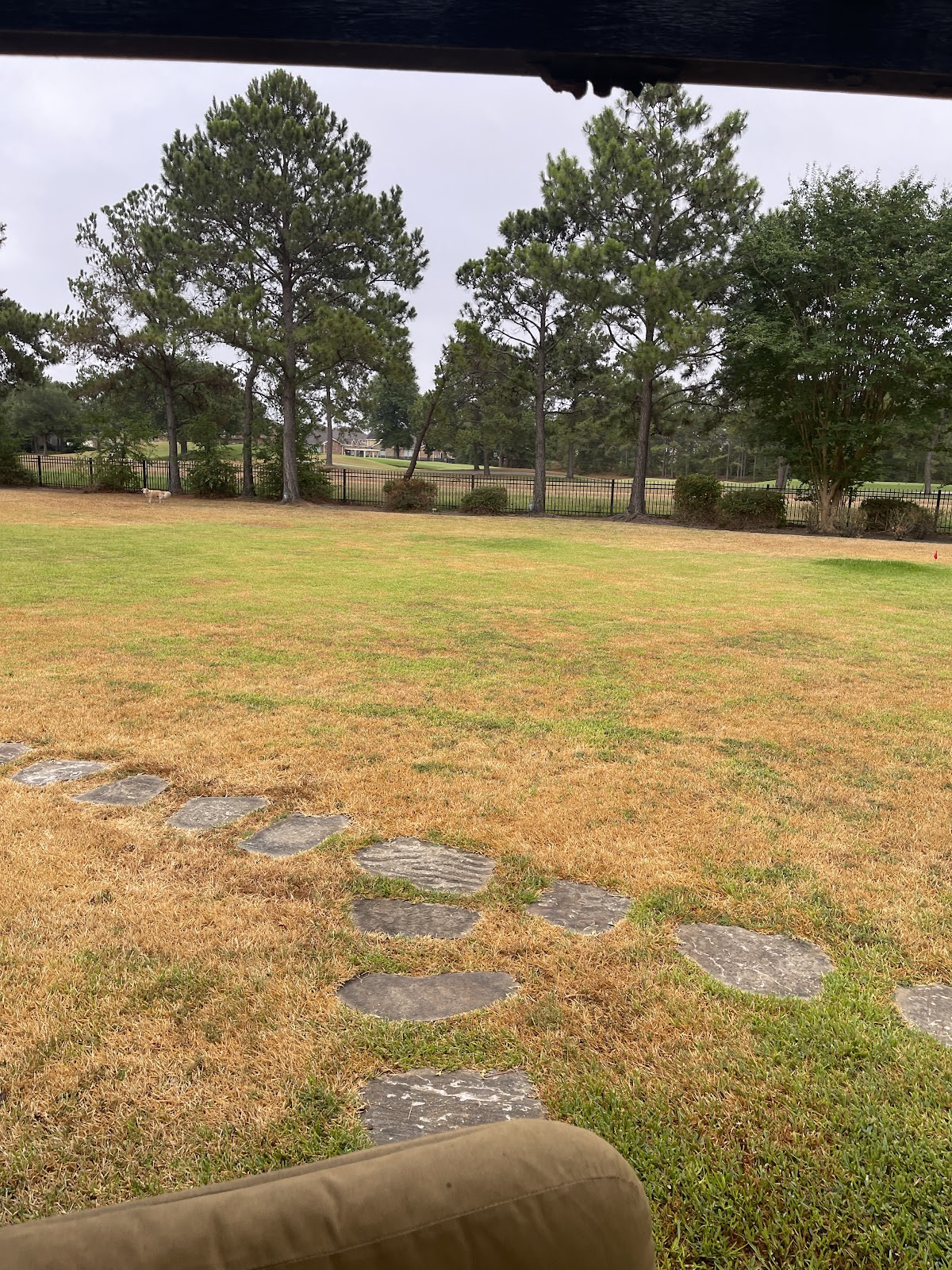
When water restrictions tighten and rain stops falling, most homeowners and business owners in Spring panic about their landscaping. But a drought does not mean your irrigation system has to shut down completely or that your property has to turn brown. The key is understanding what your system can do within local water-use rules and making smart adjustments now, before the dry spell gets worse. We've spent years helping Spring property owners maintain healthy landscapes even when the aquifer runs low, and the strategy is always the same: work with your system's capabilities, not against them.
Know Your Local Water Restrictions First
Spring and the greater Houston area typically impose Stage 1, 2, or 3 drought restrictions depending on how dry things get. Stage 1 usually allows watering two days per week. Stage 2 cuts that to one day per week. Stage 3 may ban landscape irrigation entirely except for new plantings or hand watering. Before you reprogram anything, check the current restrictions with the city or your water district. Many people waste time and money running systems that violate the rules, then get fined. A five-minute phone call saves you headaches later.
Reprogram Your Controller for Efficiency
Once you know what days you can water, reprogram your controller to use those days strategically. If you have a two-day window, space them three days apart rather than back-to-back. This lets soil dry slightly between waterings and encourages deeper root growth. During a drought, you want roots reaching down, not spreading shallow. Reduce your run times by 20 to 30 percent from your normal summer schedule. Most people overwater by habit. A lawn or landscape bed needs far less water than we typically assume, especially if you've improved your soil. Start lower and watch how your plants respond over two to three weeks. You can always add time back if you see stress.
Shift to Early Morning Watering
Watering between 5 and 8 a.m. is always better than evening or midday, but it becomes critical during droughts. Morning watering minimizes evaporation loss. Evening watering leaves foliage wet overnight, which invites fungal disease when water is scarce and you cannot afford to lose plants. Midday watering is wasteful because 30 to 40 percent of the water evaporates before it soaks in. Your controller can be set to run only in the early morning window, and you will see your water bill drop noticeably.
Inspect Your System for Leaks
A single leaking valve, cracked riser, or pinhole in a mainline can waste hundreds of gallons per month without you noticing. During a drought, every drop matters. Walk your property and look for soft spots, standing water, or areas that are greener than surrounding zones. Listen for hissing near valve boxes or along main lines. Check your water meter before and after your irrigation cycle. If it moved without the system running, you have a leak. We recommend a professional inspection every two years anyway, but if you are heading into a dry season, get one done now. A small repair costs far less than paying for wasted water or replacing a dead plant bed.
Adjust Zones by Plant Type
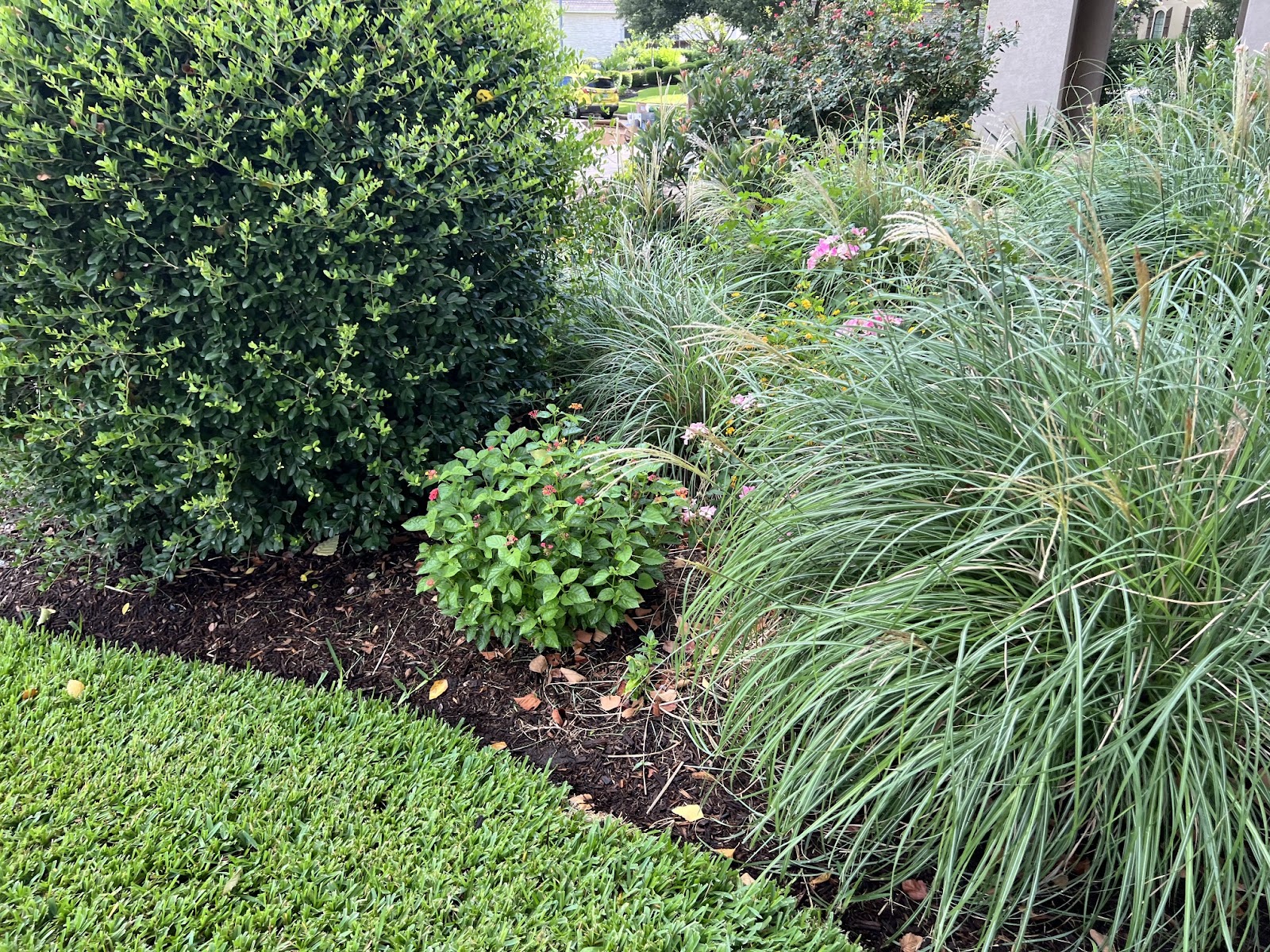
Not all parts of your landscape need the same amount of water. Established trees and shrubs in the ground can survive on much less than turf or annual beds. If your system waters everything on the same schedule, you are overwatering woody plants and possibly underwatering annuals. Split your zones by plant type if you can. Turf and flower beds might need 20 to 30 minutes per cycle, while established shrub beds need only 10 to 15. Grouping plants by water need is one of the smartest moves you can make during a drought. It keeps everything alive and cuts your water use by 15 to 25 percent.
Consider a System Upgrade
If you have an older controller with no weather sensor or smart features, a drought is a good time to think about upgrading. Modern controllers adjust watering automatically based on rain and temperature. If it rains two inches, the system skips a cycle. On a 95-degree day, it might run slightly longer. These systems pay for themselves in water savings within one to two years, especially in a dry climate or during a drought year. Spring's summer heat is intense, and a smart controller takes the guesswork out of keeping plants healthy while respecting water restrictions.
Smarter Sprinklers & Drain Systems has helped Spring property owners navigate drought seasons for years. We can audit your system, help you understand local restrictions, and make adjustments that keep your landscape alive without breaking the rules or your budget. Call us today to schedule an inspection.