
If you've noticed a soft spot in your lawn, standing water that won't drain, or a water bill that jumped for no reason, you probably have a sprinkler leak. The tricky part is that most leaks happen underground or inside valve boxes, so they're not always obvious until the damage is done. Catching them early saves you money on water waste and keeps your landscape from turning into a swamp. Here's what to look for and how to confirm you actually have a problem.
Watch for Soggy Patches That Don't Make Sense
The first sign is usually a section of your yard that stays wet longer than the rest, even days after rain or watering. In the Spring humidity, it's easy to miss this because everything feels damp anyway. But if one spot near a sprinkler head or along a line is noticeably softer or mushier than the surrounding grass, that's a leak. Walk your yard after your system runs and pay attention to where the water pools. Healthy turf should dry out fairly evenly. If you see a muddy patch that gets worse over a week or two, you're losing water somewhere in that zone.
Check Your Water Meter for Phantom Usage
This one's straightforward and doesn't require digging. Turn off all water in your house. Don't run the dishwasher, shower, or laundry. Then go look at your water meter. Write down the number. Wait an hour without using any water indoors. Check the meter again. If it moved, you have a leak somewhere on your property. If the leak is in your irrigation system, you'll usually see it climbing steadily whenever your sprinklers are set to run. This is the fastest way to know whether you're actually wasting water or just imagining it.
Look Inside Valve Boxes and Around Sprinkler Heads
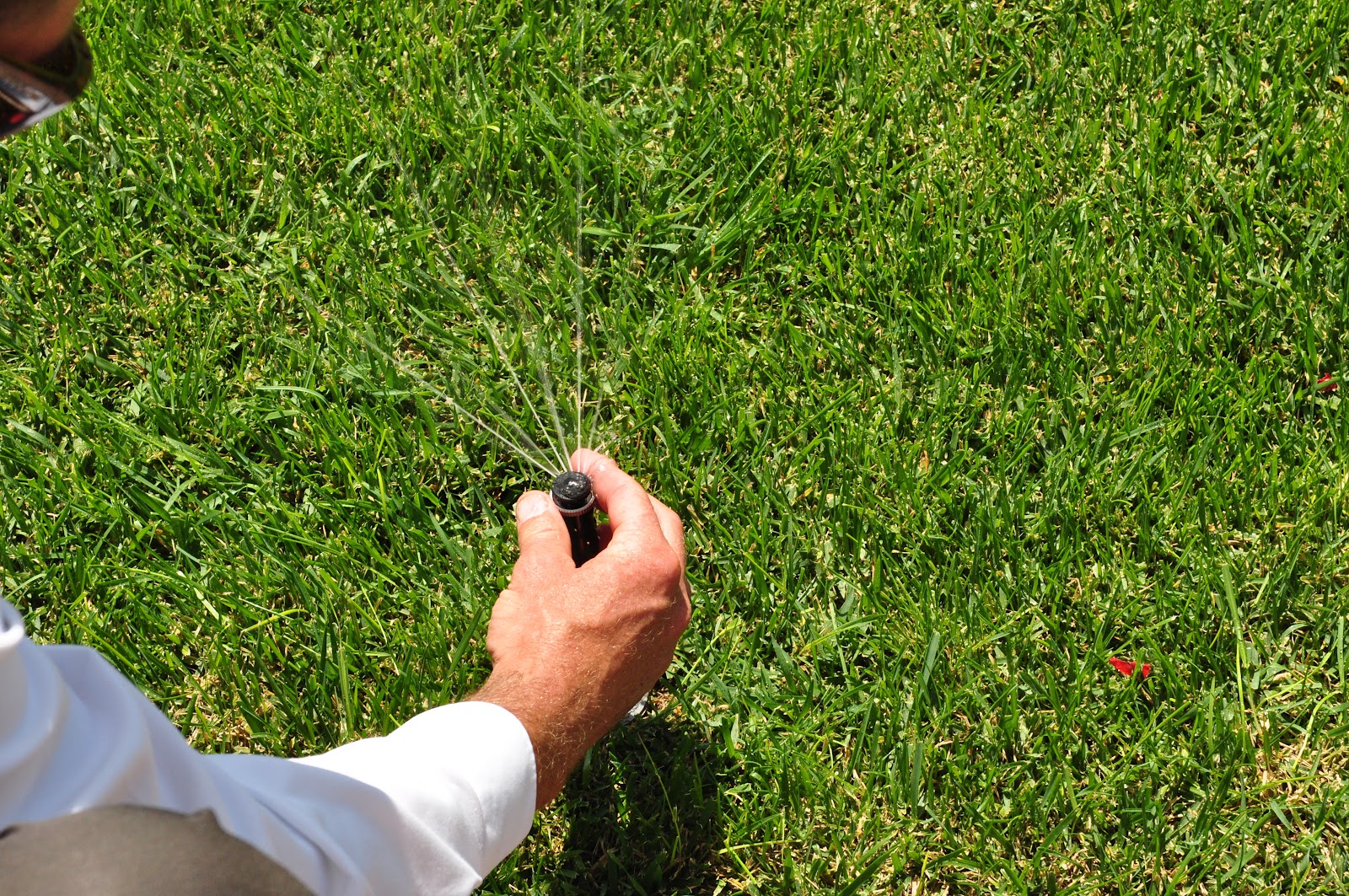
Valve boxes are usually buried in your yard with just a plastic or metal cap at ground level. Pop the lid and look inside. You should see dry ground and your valves. If there's standing water, mud, or a smell of wet soil, you have a leak in that box. The leak could be from a cracked valve body, a loose connection, or a broken line leading into the box. Around your sprinkler heads, check for water pooling or wet soil when the system isn't running. Sometimes a head gets cracked from a mower or foot traffic, and water seeps out around the base.
Inspect Visible Pipe Runs for Cracks or Soft Spots
If your system has exposed PVC lines or poly tubing, walk along them and look for splits, cracks, or places where the line has become soft or mushy. In Texas heat, PVC can get brittle over time, especially if it's been exposed to sun for years. Poly tubing gets punctured by landscape tools or rodents. If you see a crack or hole, that's your culprit. Sometimes the leak is small enough that you only notice it when the system pressurizes and runs.
Listen for Hissing or Rushing Sounds
When your irrigation system is running, walk around and listen. A pressurized leak will make a hissing or whistling sound, especially if the break is small. You might also hear a faint rushing or spraying noise near the damaged section. This is easier to do on a quiet morning or evening. If you hear hissing coming from a valve box or along a line, you've found the problem.
Don't Ignore It
A small leak in an irrigation line doesn't stay small. Water pressure and Texas clay soil work together to erode the hole larger over time. What starts as a slow seep can turn into a geyser that wastes thousands of gallons a month and creates a muddy crater in your yard. It also kills grass in some areas while drowning it in others, which looks terrible and makes your landscape uneven.
If you've spotted any of these signs, call Smarter Sprinklers & Drain Systems for an inspection. We can pressure test your lines, locate leaks with precision, and repair them without tearing up more of your yard than necessary. Most small leaks are a quick fix if you catch them early.