If you live in Spring and you've watched water spray across your driveway while your grass stays dry, you know how frustrating poor sprinkler coverage can be. Overspray wastes water, runs up your bill, and can damage your home's siding or foundation over time. The good news is that this is one of the most fixable problems in irrigation. A few simple adjustments, the right equipment choices, and a clear understanding of how your system works will stop the waste and get water where it actually belongs.
Check Your Sprinkler Head Placement and Type
The first step is looking at where your sprinkler heads are positioned relative to hardscapes. If you have a pop-up head sitting right at the edge of a planter bed, it's probably spraying out into the driveway because the spray radius extends past where you need it. In Spring's landscape, where driveways and house foundations sit close to planted areas, placement matters more than people think.
Different sprinkler heads have different spray patterns. A full-circle head sprays 360 degrees. A half-circle head covers 180 degrees. A quarter-circle covers 90 degrees. If you're using a full-circle where a quarter-circle would work, you're guaranteed overspray. Walk your yard during a watering cycle and actually watch where the water goes. Take a photo or note which zones are overshooting. This takes five minutes and tells you exactly what you're dealing with.
Adjust Your Nozzles and Spray Distances
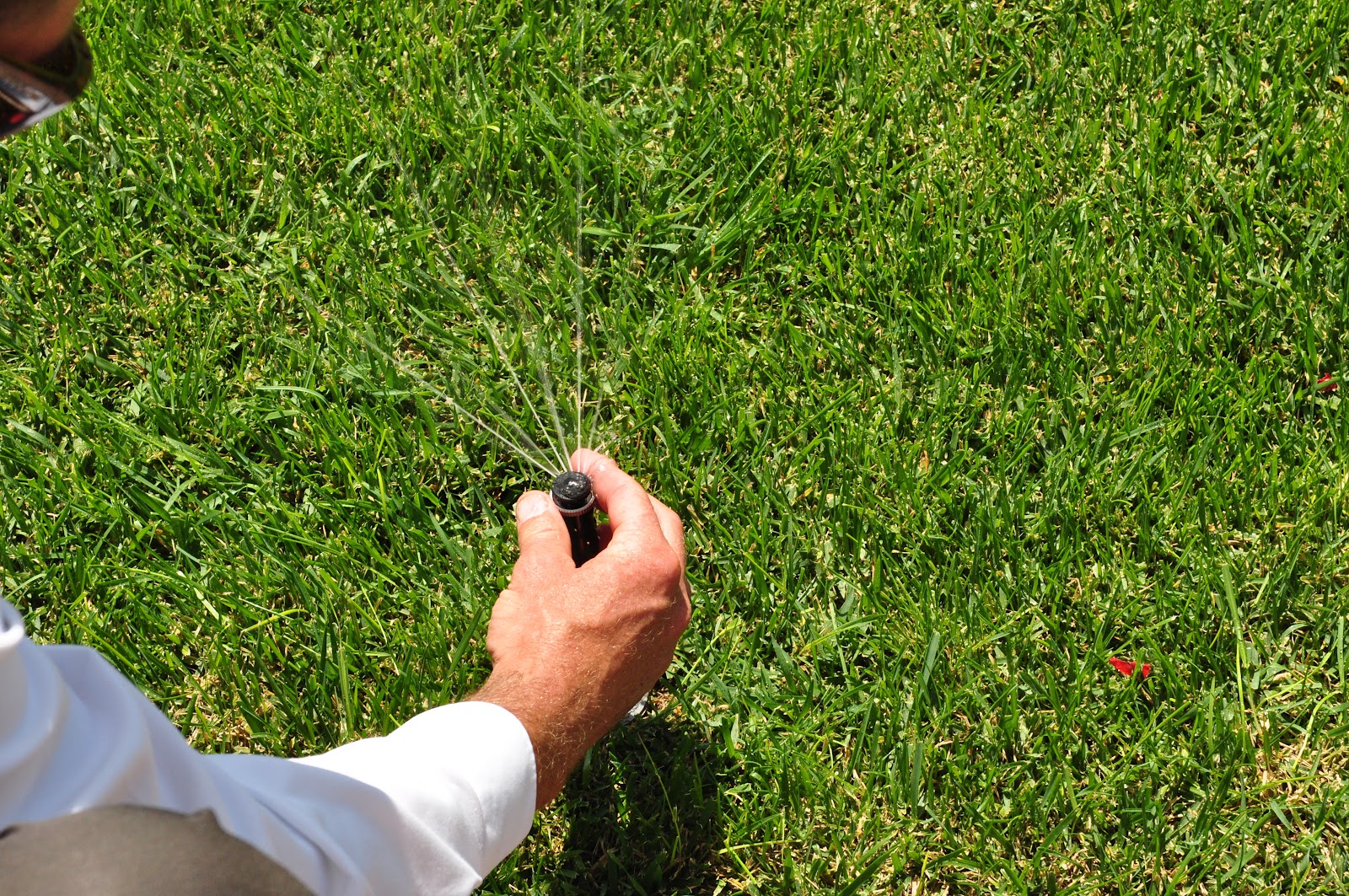
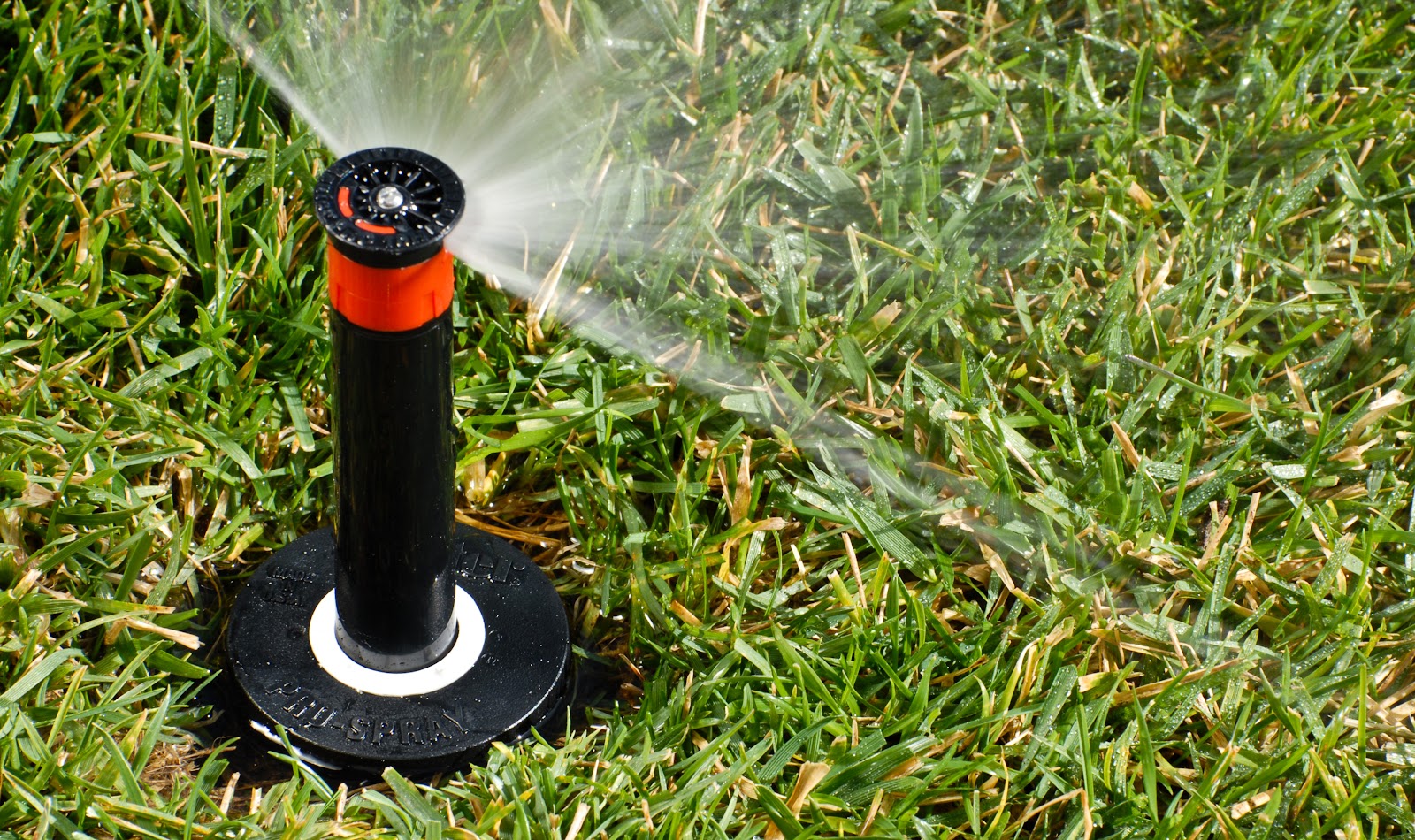
Most residential sprinkler heads in Spring come with adjustable nozzles. You can rotate them to narrow the spray angle or reduce the distance the water travels. This is the simplest fix. If a head is spraying 15 feet when your landscape only extends 12 feet, dial it back. The adjustment usually involves a small screw or clip on top of the sprinkler head itself. Your system manual will show you how, or any local irrigation supplier can walk you through it in person.
Some heads have a flow control adjustment as well. Reducing flow slightly won't just cut overspray, it also helps with water pressure problems that cause uneven coverage. In Texas heat, especially during our dry spells, getting this right means your plants actually stay healthy instead of getting the overshooting corners wet and the near side dry.
Replace Heads That Are Worn or Mismatched
If your system is more than eight or ten years old, the nozzles may have worn grooves or cracks that cause water to spray in odd directions. A nozzle that's supposed to be a quarter-circle might now spray like a half-circle because of wear. Replacement nozzles are cheap, usually under ten dollars each. If you have a few problem heads, swapping the nozzles is often faster than trying to adjust your way around bad equipment.
You might also discover that someone installed mismatched heads over the years. One zone has rotor heads and another has spray heads, or the spray distances are completely different. In Spring, where many homes have been updated or landscaped piecemeal, this is common. Standardizing your zones so all heads in a given area have the same type and throw distance makes adjustment and future maintenance much simpler.
Use Edge Strips and Head Placement to Shield Problem Areas
If you have a driveway or the side of your house that consistently gets sprayed, you have a couple of tactical options. The first is to install low edge barriers or landscape edging that deflects low-angle overspray. This isn't a permanent fix, but it works as a temporary measure while you sort out the real problem.
The second is to shift sprinkler head placement. Even moving a head back six inches or a foot into the planting bed can change the spray pattern enough to miss the driveway. You may need to adjust a neighboring head to fill the gap, but that's better than constant overspray. If your driveway runs along the edge of your yard, consider placing heads slightly back from the property line rather than right at it.
Set Your Controller to Match Your Landscape Needs
Your irrigation controller is only as smart as the schedule you give it. In Spring, we get enough rain that you don't need to water year-round at the same rate. During our wet months, like spring and early summer, you might need only one or two days a week. During August and September, you might need three or four. If your controller is running the same schedule regardless of season, it's overwatering and pushing overspray.
Modern controllers let you adjust run times by zone and by day of the week. Use shorter cycles in cooler months. If a particular zone has the overspray problem, you can reduce its run time without affecting other zones. This is often overlooked, but it's one of the most effective ways to cut waste.
Call a Local Technician if the Problem Is Complicated
If your landscape is complex, or if you've adjusted everything and overspray is still happening, it's time to bring in someone who knows Spring's specific soil and water pressure conditions. Smarter Sprinklers & Drain Systems can walk your property, identify exactly where water is being wasted, and either adjust your existing system or recommend equipment changes that actually solve the problem. A single service call often pays for itself in water savings within a month or two.
Stop watching water spray where it doesn't belong. Call Smarter Sprinklers & Drain Systems in Spring and get your system working the way it should.