When you're standing in the irrigation aisle at a hardware store, or scrolling through online options, sprinkler heads all look pretty similar. Round. Plastic. A few dollars each. But the truth is that picking the right head for your lawn in Spring makes a real difference in how much water you use, how evenly your grass gets watered, and how often you'll be out there fixing broken equipment. The wrong head wastes water and money. The right one does the job without fuss, and that's what this guide is about.
Know Your Spray Pattern Needs
Sprinkler heads come in a few basic patterns, and your lawn layout determines which one works. A spray head throws water in a fixed arc, usually 90 degrees, 180 degrees, or 360 degrees. If you have a small corner bed or a narrow strip between your driveway and the property line, a 90-degree head keeps water off the hardscape. A 180-degree head works along a straight edge like a fence. Full-circle heads water islands or open lawn areas. The mistake people make is using a full-circle head in a corner and watching half that water hit your neighbor's fence or the street. Take a walk around your yard and sketch out where the zones actually are. It takes ten minutes and saves you from buying the wrong equipment.
Pressure and Flow Rate Matter More Than You Think
This is where a lot of homeowners get stuck. Your water pressure and the flow rate of your system determine which heads will actually work together. Spring city water typically runs between 60 and 80 pounds per square inch, which is normal residential pressure. Sprinkler heads are designed for specific pressure ranges. A head rated for 40 to 60 PSI won't perform right if your system runs at 75 PSI. You'll get uneven coverage, misting instead of droplets, and wasted water. You can check your pressure with an inexpensive gauge from any hardware store. Screw it onto an outdoor faucet and turn the water on. Then match that number to the head's specifications. If your pressure is too high, you can install a regulator. If it's too low, you might need fewer heads per zone or a different system design altogether.
Rotor Heads Versus Spray Heads for Larger Areas
Here's a practical distinction. Spray heads throw water in a pattern and cover maybe 100 to 200 square feet. They're fast and simple. Rotors spin and cover more ground, usually 300 to 600 square feet per head, and they throw water farther. For a small to medium residential lot in Spring, sprays often make sense because you get more uniform coverage and faster run times. For bigger properties or commercial landscapes, rotors handle the job with fewer heads and less complexity. Rotors also run slower, which is better for clay soil that can't absorb water as fast. If you have a slope, slow-running rotors prevent runoff. A spray head on a slope will waste half its water in the first minute.
Pop-Up Versus Fixed Risers
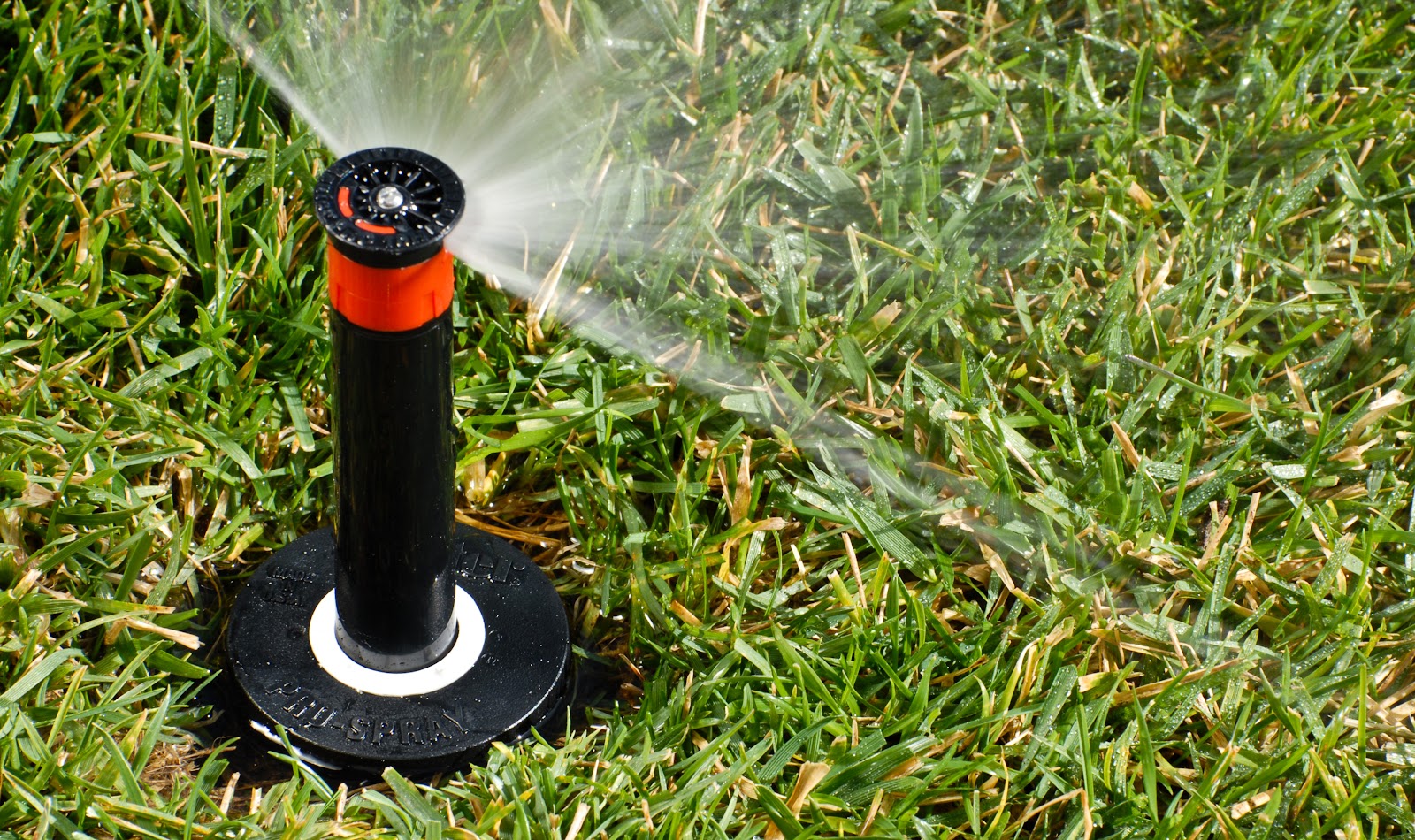
Pop-up heads sit flush with the ground until water runs, then they rise up to spray. They're the standard for lawn areas because you can mow right over them without hitting anything. Fixed risers stay above ground all the time. You see them in flower beds and islands. In Spring, where the ground can settle and shift with wet and dry seasons, pop-ups sometimes stick or don't pop all the way up. If you go the pop-up route, buy a riser that's the right height for your grass. A head that's too low gets buried or mowed. A head that's too high wastes water to wind drift. Most lawns do fine with a 2-inch to 4-inch pop-up.
Nozzles and Adjustability
The nozzle is the business end of the head. It determines the arc and radius. Some heads come with fixed nozzles. Others let you swap in different nozzles to change the pattern. If you're not sure about your layout or think you might adjust things later, a head with interchangeable nozzles gives you flexibility. A few dollars more upfront saves you from replacing the whole head if you want to change from 90 degrees to 180 degrees. Look for nozzles with a radius adjustment screw so you can dial in the distance. You don't want water overshooting into your neighbor's yard or falling short and leaving dry spots.
Quality and Durability in Spring's Climate
Spring weather includes hot summers, occasional freeze events, and humid conditions that wear on plastic. Cheaper heads crack in the sun or get brittle. Mid-range plastic heads from known brands hold up better. If you're burying them or leaving them exposed, expect to replace cheap ones every few years. A slightly better head lasts longer and saves you the labor of digging them out and swapping them. The savings add up.
Choosing the right sprinkler head comes down to knowing your space, your water pressure, and what you're trying to water. Smarter Sprinklers & Drain Systems can help you measure pressure, map your zones, and pick heads that actually fit your yard. Call us and we'll walk you through it.